



Why Daily Rituals Matter More Than Occasional Optimisation


There's a particular kind of restlessness in how many people approach their health right now. A constant search for the better protocol, the more effective supplement, the optimised morning. Wellness has been quietly reframed as a performance sport, something to be won and tracked rather than simply practised.
The problem isn't that it's wrong. It's that it's exhausting. And more practically, it doesn't work as well as the simpler alternative.
The Problem with Sporadic, High-Effort Habits
Most people have experienced the pattern. You discover something that genuinely works. You do it intensively for a few weeks. Life intervenes. The habit dissolves. Six months later you restart the cycle.
The cumulative benefit is limited because the body doesn't adapt to events. It adapts to patterns. A single intense session produces a temporary response. Lasting changes come from repetition: the cardiovascular efficiency built through consistent training, the nervous system adaptations that accumulate through daily thermal stress. Sporadic practices stay difficult. Daily ones become ordinary. And ordinary, done consistently, is the point.
The Value of Consistency
Frequency matters more than intensity when you're building something durable. A moderate session done daily will, over months, produce significantly more adaptation than an intense session done occasionally. The body responds to what it encounters regularly.
Daily practices also become embedded in the structure of the day. They stop requiring decision-making energy. You don't decide whether to do them. You just do them. That automaticity is underrated as a health tool. It removes friction, and friction is what dissolves most good habits.
Ritual vs Optimisation
Optimisation is goal-directed. You're trying to perform better, recover faster, feel sharper. It treats the current practice as a means to an end, something to be refined and eventually replaced when something better arrives.
Ritual is different. A ritual is a practice you return to not because you're still measuring its output, but because returning to it is itself the point. It creates structure and continuity. A fixed point in the day that doesn't require justification. The value isn't only in what it produces. It's in the fact of doing it, regularly, over a long time.
This isn't an argument against goals. It's an argument for building something that exists independently of them.
Why Contrast Therapy Belongs Here
Contrast therapy is well-suited to daily ritual for several reasons. The practice is simple and bounded. You know when you've done it. No tracking required, no variation from session to session. The same sequence produces the same physiological cascade every time.
The benefits compound with consistency. Cardiovascular efficiency, inflammation management, thermoregulation, nervous system resilience: these develop over weeks and months of regular practice, not over a single intense session.
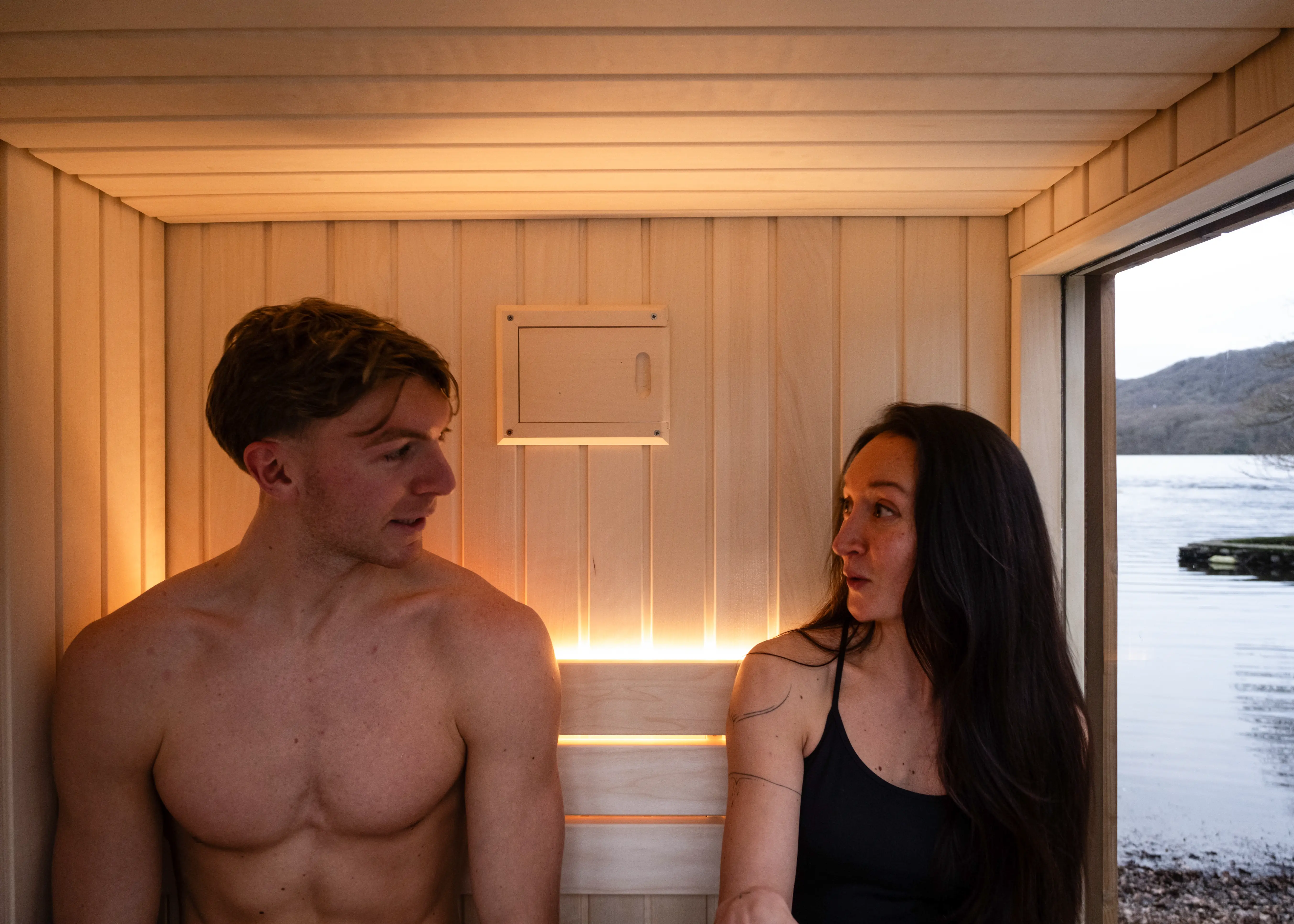
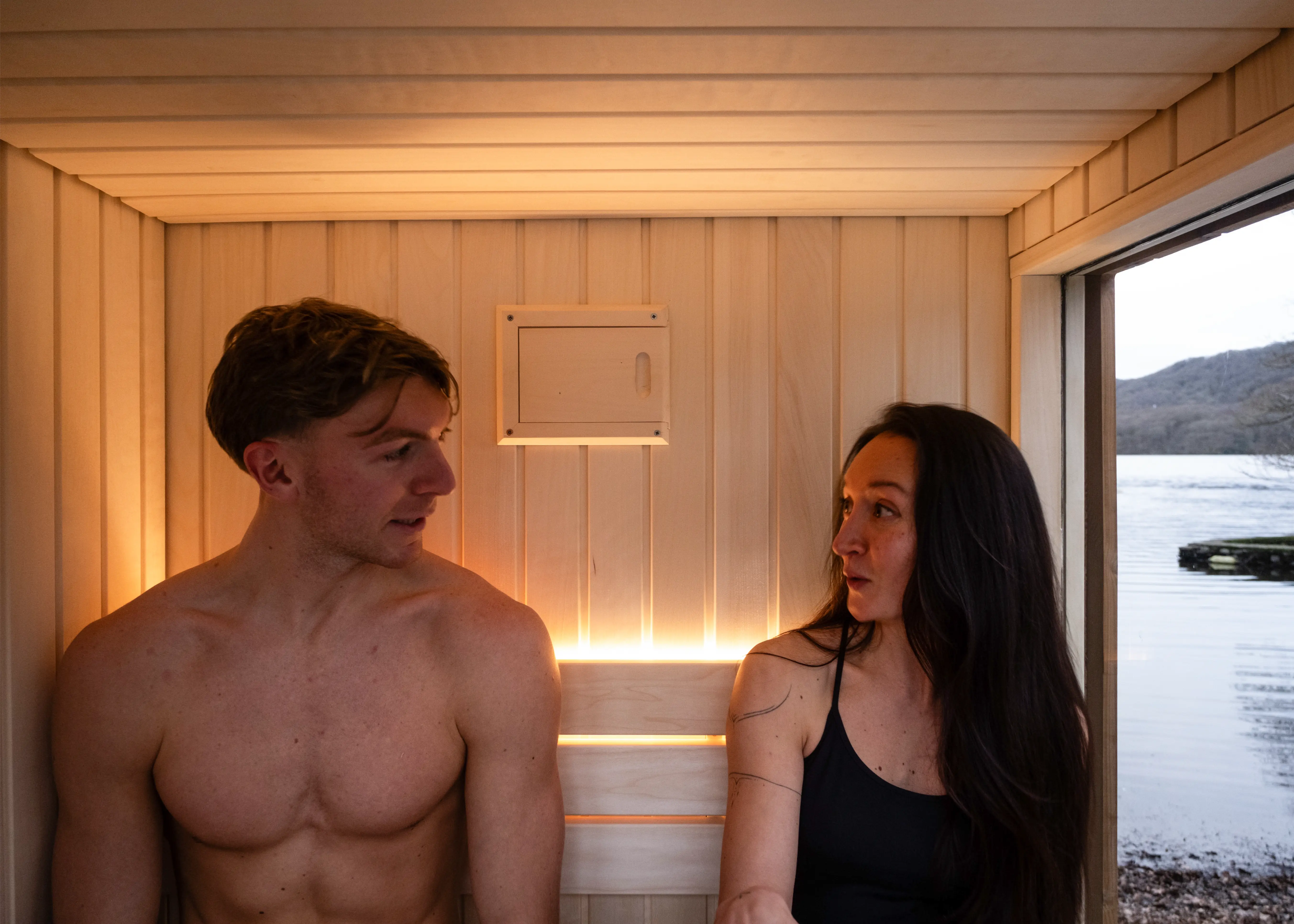
A daily practice of heat and cold, done quietly and without distraction, becomes a point of stillness in the day. Not a performance. Not a metric. Just a thing you do, and return to, and find value in precisely because it's consistent. The practice doesn't get easier. It gets more yours.
Build something you return to. Not something you chase.


Lets talk!